Nearly 1.6 million pupils affected by Eastern Cape school nutrition funding delays, with unions and governing bodies slamming poor planning and lack of accountability.
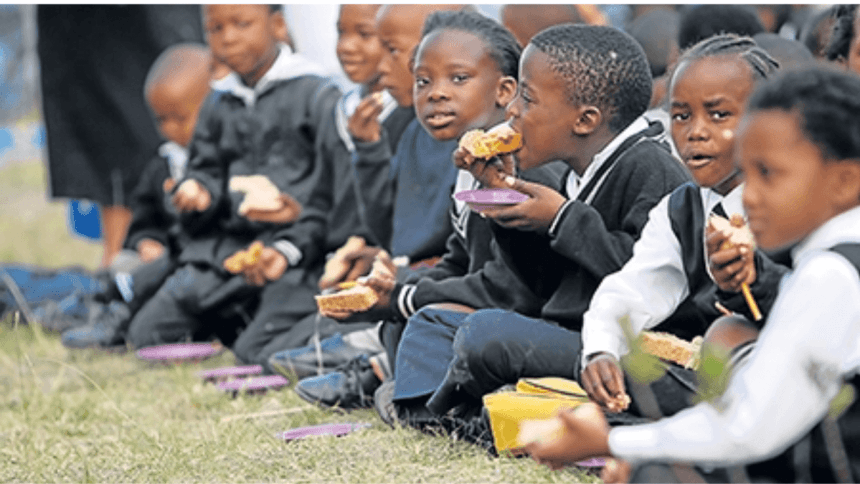
Nutrition Funding Crisis:Thousands of children attending some of the poorest schools in the Eastern Cape have gone without meals since 8 April 2024, as the province’s National School Nutrition Programme (NSNP) suffered yet another funding breakdown. Despite warnings from stakeholders, pupils across quintile 1–3 schools returned from the school holiday facing empty plates — and growing uncertainty.
1.6 Million Pupils Affected
According to education insiders, almost 1.6 million pupils from disadvantaged communities in the Eastern Cape rely on the NSNP for daily meals. The programme, meant to cover 200 school days this year, allocates R3.36 per day for primary school pupils and R3.86 for those in high school. Yet, many schools claim they’ve received no funding since the second term began.
News24 investigations found that learners at Siyakhula Primary School, Ngubesizwe Secondary School, Rasmeni Primary, Majija Primary, and Gubenxa Junior Secondary School had not received a single school meal since 8 April. This has led to an increase in hunger, pupil absenteeism, and even incidents of food theft and fighting on school premises.
What Went Wrong?
The Eastern Cape Department of Education cited “technical challenges” in its circular dated 23 April, delaying the release of the first NSNP tranche initially promised for 30 April. Principals were encouraged to continue procuring food on credit — a suggestion that has angered school officials and unions alike.
“There is a lack of accountability and leadership. Somebody must be fired,” said Jaco Deacon, CEO of the Federation of Governing Bodies of South African Schools (Fedsas).
Similarly, Naptosa’s Eastern Cape CEO, Loyiso Mbinda, estimated that at least 70% of eligible schools could not provide meals from the start of Term 2. “There’s been poor planning. Other provinces managed to feed learners without issues,” he stated.
READ: R18 Million Covid Tender Scandal: How the City of Johannesburg Ignored Corruption Warnings
Impact on Learners and Families
Parents and governing bodies are alarmed. Pamela Toyana, chairperson of Siyakhula Primary’s school governing body, warned that many learners might drop out and turn to work in informal shops just to get food. “When food is provided at school, there is little absenteeism. Pupils cannot learn on an empty stomach.”
Similar concerns were echoed by Tembenkosi Ngxukumeshe of Ngubesizwe Secondary School: “Parents are upset, but helpless. They just want their children to learn.”
At Gubenxa Junior Secondary, desperate pupils reportedly stole lunches from classmates, leading to emotional distress and conflict. “Children come home crying,” one parent said.
Legal and Constitutional Violations
Legal experts have weighed in, arguing that the crisis violates children’s constitutional right to basic nutrition and education. Cecile van Schalkwyk of the Legal Resources Centre in Makhanda stated: “Budgetary constraints or so-called technical challenges cannot justify this failure. It is unacceptable that children must suffer.”
The department defended its position, claiming schools had “surplus” funds from 2023 — a claim dismissed by unions as “unfounded.”
Calls for Urgent Reform
With the funding expected only by 6 May, schools remain in limbo. Sadtu’s provincial secretary, Malibongwe Ntame, said the debacle highlighted severe flaws in departmental pre-planning. “Learners depend on school meals. Attendance improves when breakfast is served. This failure puts the future of these children at risk.”
As stakeholders demand accountability and better foresight, the crisis underscores a deep systemic failure. Until the situation is resolved, the educational well-being of the Eastern Cape’s most vulnerable learners hangs in the balance.
ALSO READ: North West Parks and Tourism Board in Crisis: Employee Strike Exposes Deep-Rooted Issues