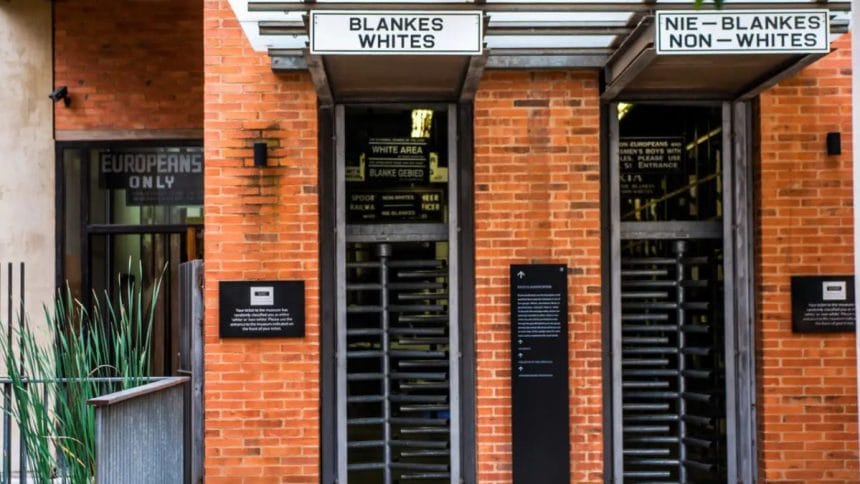
The Apartheid Museum in Johannesburg stands as a compelling tribute to South Africa’s journey from oppression to democracy. Opened in 2001, it remains the country’s foremost institution on apartheid history. Managed by the Apartheid Museum Trust, the site offers an unflinching account of racial segregation, resistance, and reconciliation.
- What is The Apartheid Museum?
- Historical Context: Why the Museum Was Built
- Exhibits that Bring History to Life
- Educational Value and Global Recognition
- Role in Promoting Reconciliation
- Visitor Information and Accessibility
- How the Museum Impacts Local Communities
- Testimonials from Visitors
- Key Statistics and Facts
- Frequently Asked Questions (FAQs)
- Why The Apartheid Museum Still Matters Today
What is The Apartheid Museum?
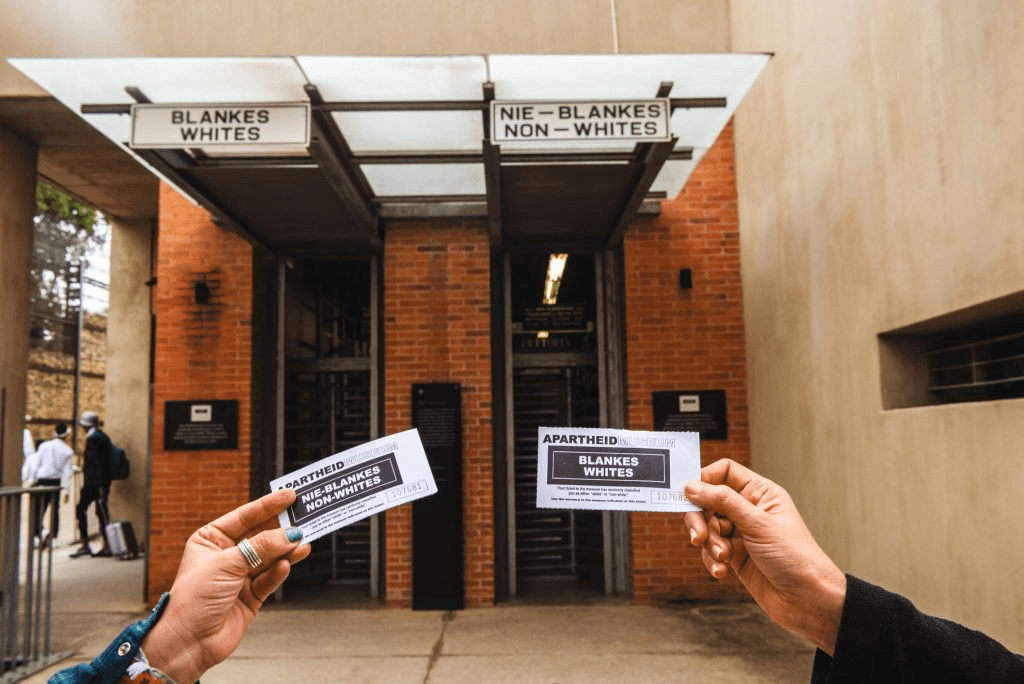
The Apartheid Museum is a world-renowned museum dedicated to documenting the rise and fall of apartheid. Located in Ormonde, near Gold Reef City, it covers 22 permanent exhibitions across seven hectares of land. According to the official museum website, the museum “illustrates the apartheid story through dramatic visual displays, personal accounts, and historical footage.”
Historical Context: Why the Museum Was Built
The museum emerged as part of a casino licensing agreement in the late 1990s. The Gauteng Gambling Board required bidders to support a social responsibility initiative. The winning consortium, led by Gold Reef City, proposed the museum project. It was developed in collaboration with historians, architects, and human rights experts.
ALSO READ: Soweto Hotel Review: Discover Joburg’s Best Kept Secret in Luxury and African Hospitality
Exhibits that Bring History to Life
Each visitor is randomly assigned a ticket marked “White” or “Non-White,” reflecting the racial classifications of apartheid. The exhibits include:
- Race Classification Room: Documents the pseudoscientific basis of apartheid-era racial identity.
- The Pillars of the Constitution: Celebrates values like equality, democracy, and freedom.
- Political Executions Chamber: Features nooses representing those executed under apartheid laws.
- Nelson Mandela Exhibit: Chronicles the life and legacy of South Africa’s first black president.
These immersive displays offer a visceral understanding of systemic racism and its impact.
Educational Value and Global Recognition
The museum is more than a tourist site; it’s a key educational resource. According to the South African History Online, school groups frequently visit the museum to learn about human rights and democratic values. It is also recognised internationally as a model for memorial museums.
Role in Promoting Reconciliation
Post-1994, South Africa needed to confront its past to build a united future. The Apartheid Museum supports this by offering a space for healing and dialogue. As Archbishop Desmond Tutu once said, “There is no future without forgiveness.” The museum echoes this spirit throughout its exhibitions.
Visitor Information and Accessibility
The museum is open from Tuesday to Sunday (9am–5pm). Entry fees vary, with discounts for students and pensioners. Facilities include guided tours, multilingual information panels, and disability access. Full details are available on the Apartheid Museum visitor page.
How the Museum Impacts Local Communities
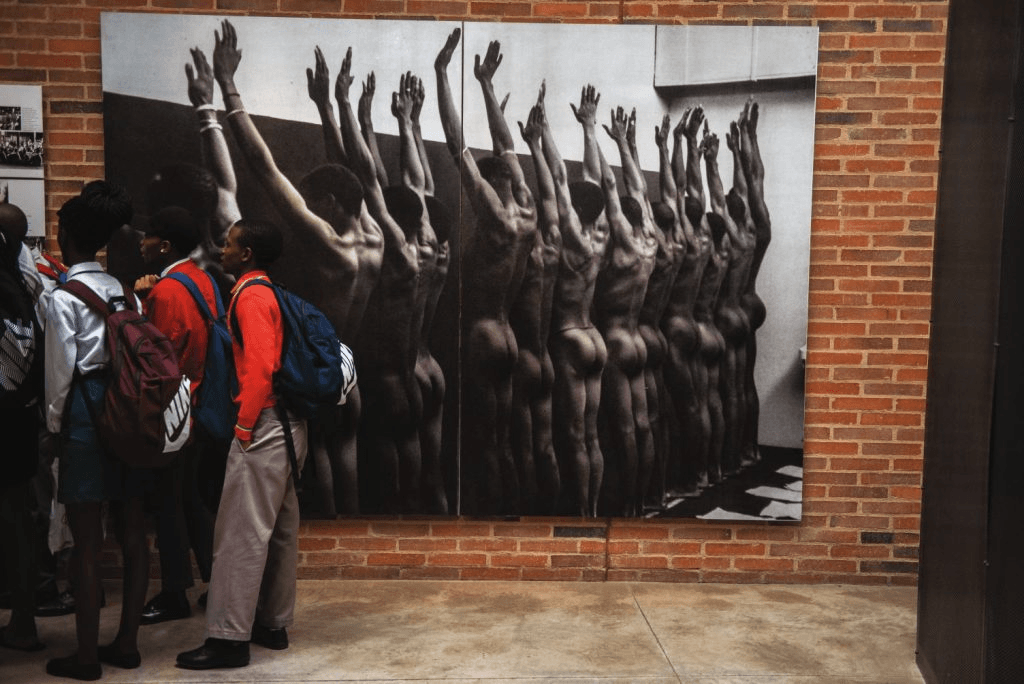
Beyond education, the museum provides employment and engages in community outreach. According to a 2022 report by Gauteng Tourism, it contributes to the local economy and cultural preservation. Programmes include youth workshops, art exhibitions, and public lectures.
Testimonials from Visitors
Feedback on platforms like TripAdvisor and Google Reviews consistently praises the museum’s emotional impact. One visitor wrote: “It’s impossible to leave without a deeper appreciation for what South Africans endured and overcame.”
Key Statistics and Facts
- Opened: 2001
- Location: Ormonde, Johannesburg, Gauteng
- Visitors: Over 300,000 annually (pre-COVID figures)
- Size: 7 hectares, 22 exhibition spaces
- Notable artefacts: Mandela’s prison letters, ID passbooks, protest art
Frequently Asked Questions (FAQs)
Q: Where is The Apartheid Museum located?
A: In Ormonde, Johannesburg, near Gold Reef City.
Q: How long should I plan for a visit?
A: Allocate 2 to 3 hours to experience the full exhibition.
Q: Is the museum suitable for children?
A: Yes, but some exhibits may require parental guidance due to sensitive content.
Q: Are guided tours available?
A: Yes, guides can be booked in advance via the official website.
Why The Apartheid Museum Still Matters Today
The Apartheid Museum continues to serve as a beacon of truth in an age where historical revisionism and social division persist. It reminds South Africans and global visitors that justice and dignity must be defended.
The Apartheid Museum is not merely a place to learn history—it’s a place to understand humanity. For South Africans, it’s a mirror; for the world, it’s a lesson. Anyone visiting Gauteng should consider it an essential stop on their journey.