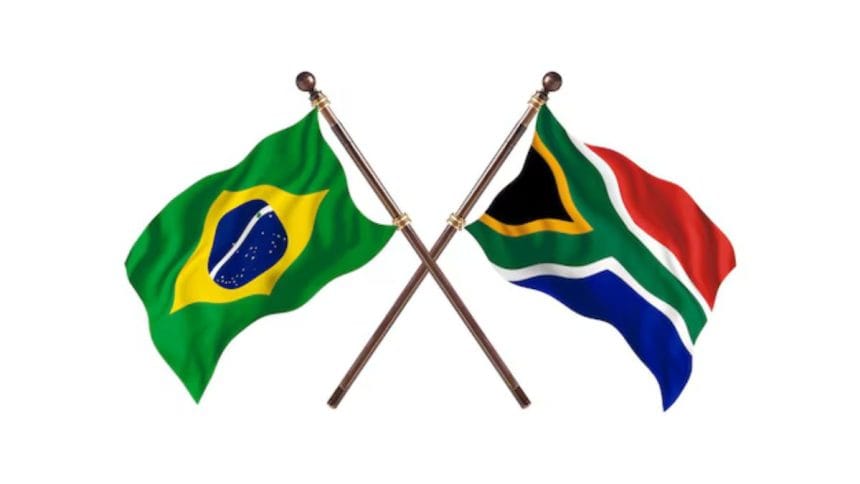
South Africa and Brazil are oceans apart geographically, but culturally, politically, and economically, they have more in common than most people realise. From shared global alliances to vibrant music rooted in African rhythms, these two nations are shaping a South–South connection that’s more relevant than ever.
With South African Airways (SAA) launching a new direct flight between Johannesburg and São Paulo, travel between the two countries is about to get easier, opening doors for cultural exploration, business, and tourism. Here are six things you probably didn’t know about Brazil and South Africa.
Brazil and South Africa: A Cultural Mosaic
1. Diverse Cultural Heritage
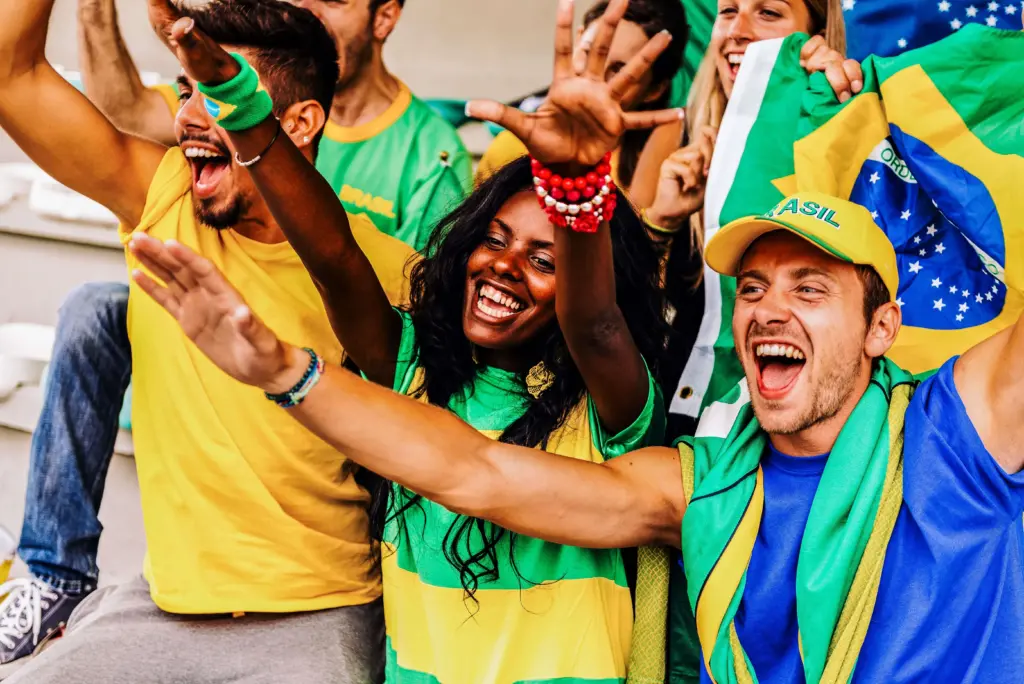
Both countries boast multicultural societies shaped by colonisation, migration, and the African diaspora.
- Brazil blends Indigenous, African, and Portuguese heritage, seen in its religions (e.g., Candomblé), festivals, and cuisine.
- South Africa, known as the “Rainbow Nation,” fuses African traditions with Dutch, British, Indian, and Malay influences.
Their cultural diversity is not just historical – it remains a powerful force in contemporary identity and artistic expression.
2. Musical Heartbeat
Music plays a central role in both nations:
- Brazil gave the world samba, bossa nova, and funk carioca, genres deeply tied to Afro-Brazilian communities.
- South Africa is home to kwaito, mbaqanga, and globally trending Amapiano.
Both nations use music as a form of resistance, identity, and joy, often reflecting socio-political contexts.
3. Culinary Crossroads
From street food to traditional feasts:
- Brazilian cuisine includes dishes like feijoada (black bean and pork stew) and churrasco (grilled meats), influenced by African and Portuguese traditions.
- South African cuisine showcases biltong, bobotie, bunny chow, and braais, rooted in indigenous, colonial, and Cape Malay legacies.
Explore local flavours: Gauteng’s Top 5 Brazilian Restaurants bring a taste of Brazil to South Africa’s economic hub.
Differences That Shape Identity
4. Languages of a Nation
- Brazil has one official language: Portuguese, with regional dialects.
- South Africa has 11 official languages, including isiZulu, isiXhosa, Afrikaans, and English.
This multilingualism reflects South Africa’s complex cultural and ethnic landscape.
5. Distinct Historical Journeys
- Brazil was colonised by Portugal and was the last country in the Americas to abolish slavery (1888). It has the world’s largest African diaspora outside of Africa.
- South Africa experienced dual colonisation (Dutch and British) and institutionalised racial segregation under apartheid until 1994.
Both countries still grapple with the long-term impacts of inequality.
6. Shared Global Alliances, Unique Challenges
- Both nations are part of BRICS, G20, and the Group of 77, advocating for a multipolar world and Global South cooperation.
- Brazil faces political polarisation and high crime rates.
- South Africa struggles with youth unemployment (currently over 45%) and service delivery.
Despite these challenges, both countries are actively shaping regional and global dialogues.
Key Stats & Facts
- Bilateral trade between South Africa and Brazil reached US$2.63 billion in 2022 (Gov.br).
- South Africa imposed duties on Brazilian frozen chicken in 2012, highlighting trade tensions despite friendly ties.
- Lula da Silva’s presidency marks a renewed focus on Africa in Brazil’s foreign policy.
FAQs: Brazil–South Africa Relations
Q: Are there direct flights between South Africa and Brazil? A: Yes, South African Airways has relaunched direct flights between Johannesburg and São Paulo in 2023.
Q: Do Brazil and South Africa trade heavily? A: Yes, with trade exceeding $2.6 billion annually, including exports of machinery, chemicals, and food products.
Q: Are both countries part of BRICS? A: Yes. Brazil and South Africa are founding members of BRICS and advocate for reforms in global governance.
Brazil and South Africa, while continents apart, share a deep cultural affinity, similar global ambitions, and strong diplomatic ties. Their similarities in music, food, and diversity are mirrored by their divergent languages and histories. As connections grow — culturally and economically — so too does the potential for collaboration in shaping a more inclusive, Global South-led future.