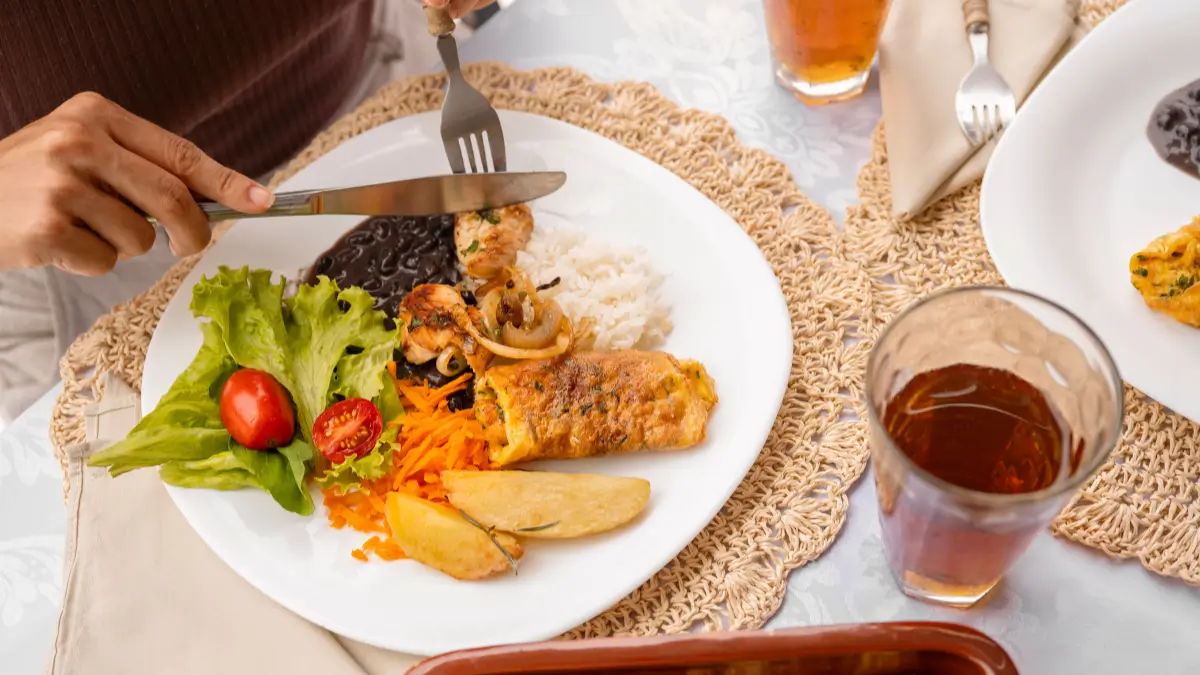
As the cost of living continues to rise, many Gauteng households are feeling the pressure most sharply at the grocery till. Food prices have climbed steadily, and by mid-2025, Johannesburg’s basic monthly grocery basket averaged around R5,656, noticeably higher than the national average. For families already juggling transport, school fees, and electricity costs, budget-friendly meals have shifted from being a lifestyle choice to a financial necessity.
The reality, however, is that eating well on a budget is still possible. With smart planning, informed shopping habits, and a return to practical, local food traditions, Gauteng families can prepare nutritious, filling meals all year round without overspending. This guide unpacks realistic, budget-friendly meal strategies designed for everyday households across Johannesburg, Tshwane, Ekurhuleni, and beyond.
ALSO READ: Top 10 Foods That Help Lower High Cholesterol
Meal Planning Turns Food Budgets Around
Households that plan meals spend less. That is not theory, it is practice. When families map out their meals for the week, they shop with intention, avoid impulse buys, and drastically reduce food waste.
Gauteng shoppers who head into stores without a list often leave with items they do not need and forget staples they already own. Meal planning reverses that pattern. By checking cupboards first and building meals around what is already available, families stretch ingredients further and shop less frequently.
Planning also allows households to align meals with supermarket specials. If rice, pasta, or maize meal is discounted, those staples can anchor several meals for the week. A roast chicken on Sunday can become chicken stew on Monday and soup or sandwiches later in the week. The aim is not perfection, it is consistency and flexibility.
Batch cooking strengthens this approach. Preparing large pots of stews, curries, soups, or bredies once or twice a week reduces daily cooking costs and electricity usage. Many Gauteng households now rely on slow cookers or heat-retention solutions like Wonderbags to cook meals efficiently while saving power. Freezing individual portions ensures that busy evenings do not end in expensive takeaways.
Affordable South African Staples That Do the Heavy Lifting
Budget-friendly cooking begins with choosing the right ingredients. South African food culture already offers a rich foundation of affordable, filling staples that suit Gauteng households perfectly.
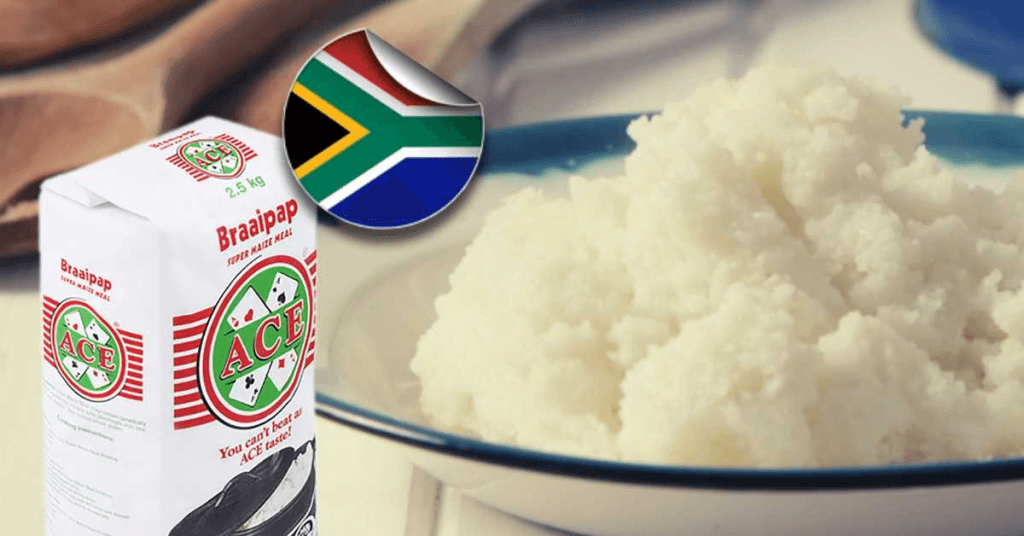
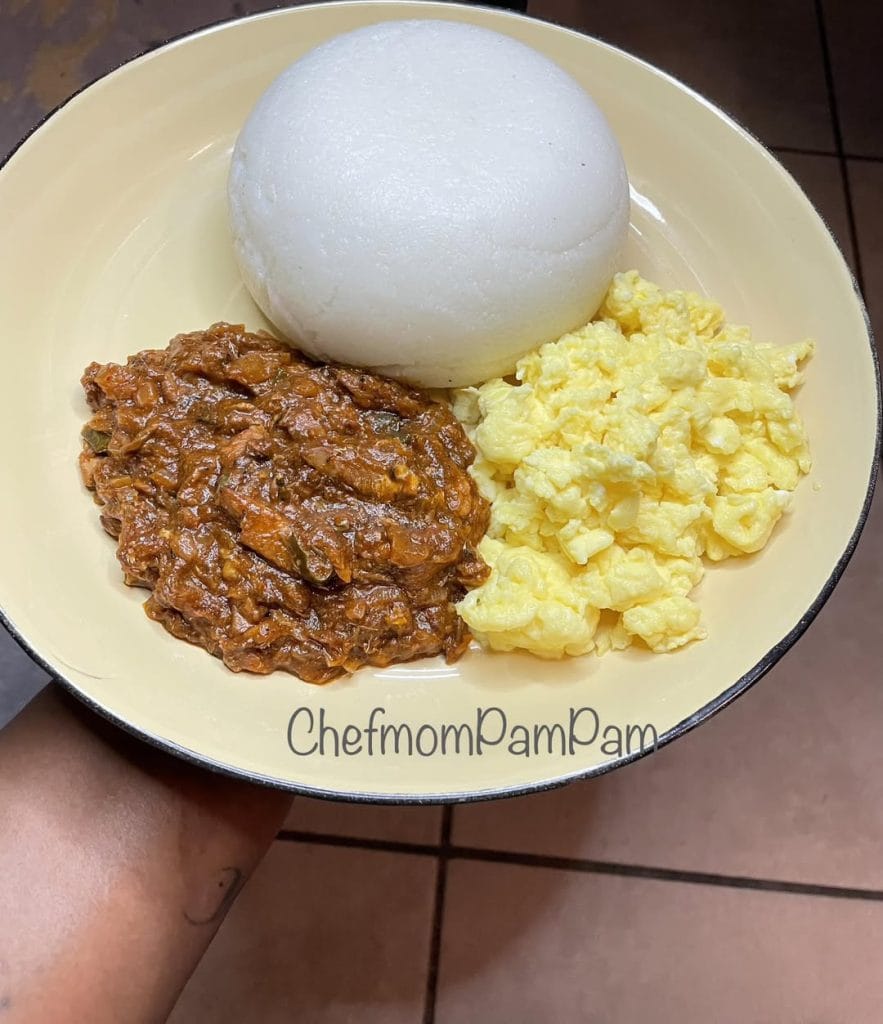
Maize meal (pap) remains one of the most economical foods available. A single large bag feeds a family for weeks and works for breakfast, lunch, or dinner. Served with chakalaka, gravy, or vegetables, pap remains a reliable, low-cost energy source.
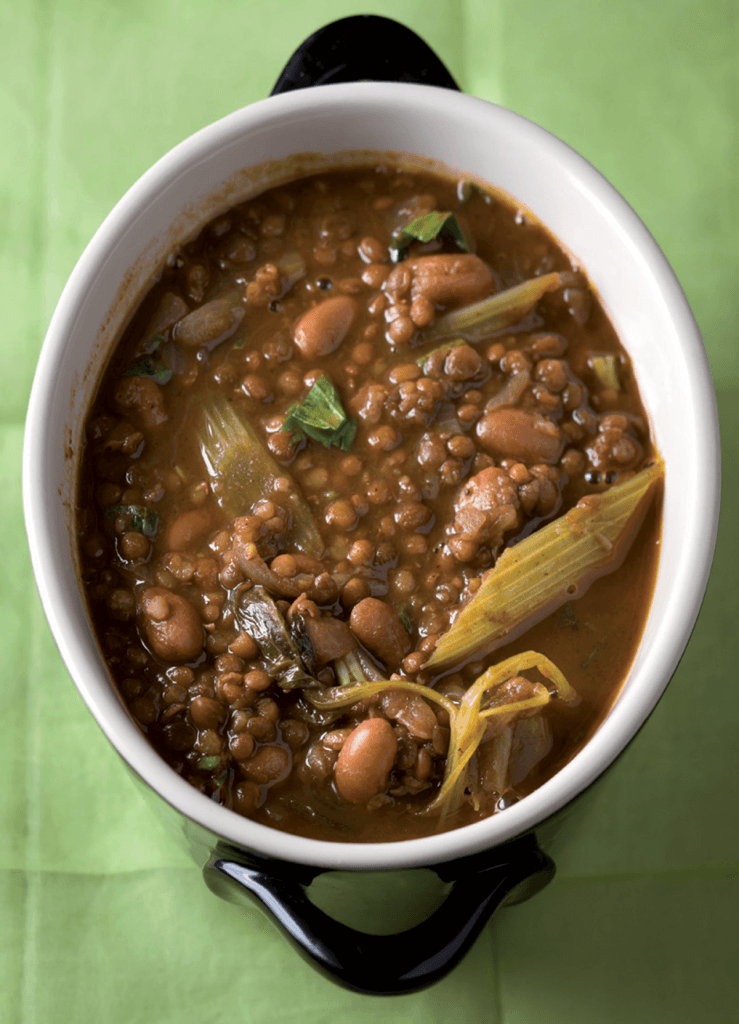
Beans and lentils deserve a permanent place in budget kitchens. Dried legumes cost significantly less than meat and provide excellent protein and fibre. From samp and beans to lentil curries and stews, they offer versatility and nourishment. Many families now use lentils to bulk up mince dishes like bobotie or pasta sauce, cutting meat costs without sacrificing flavour.
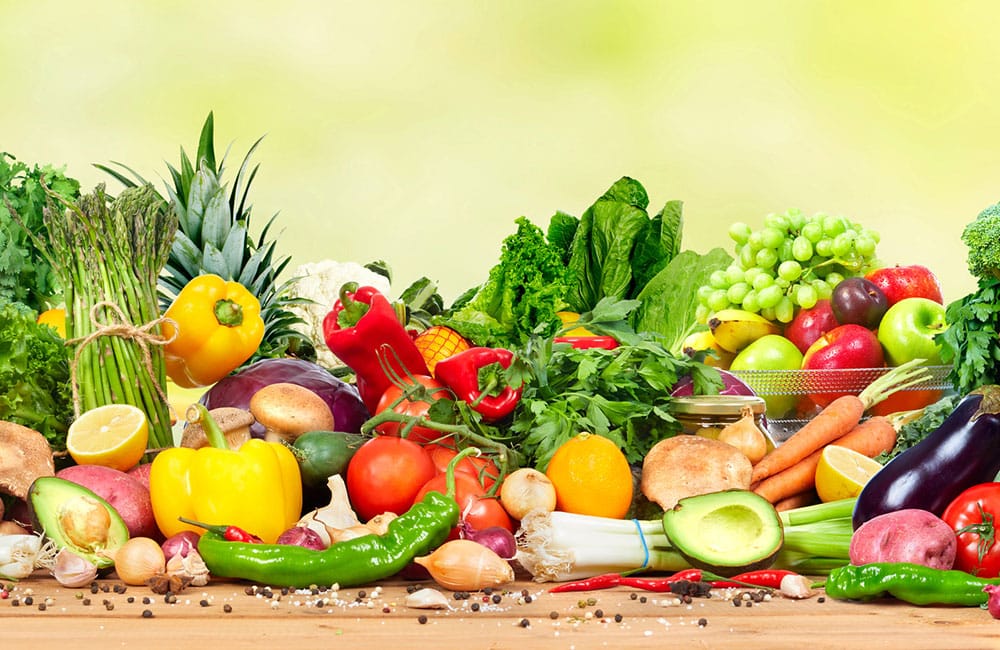
Seasonal vegetables keep meals affordable and nutritious. In summer, spinach, tomatoes, and butternut appear in abundance. Winter brings cabbage, carrots, pumpkin, and onions at lower prices. Cooking with what is in season ensures better quality, better prices, and better meals.
Chicken, eggs, and tinned fish remain some of the most cost-effective protein options. A whole chicken can feed a family across multiple meals, while eggs and pilchards deliver high nutrition at low cost. Cheaper beef cuts also work well when slow-cooked, transforming tougher meat into rich, comforting meals.
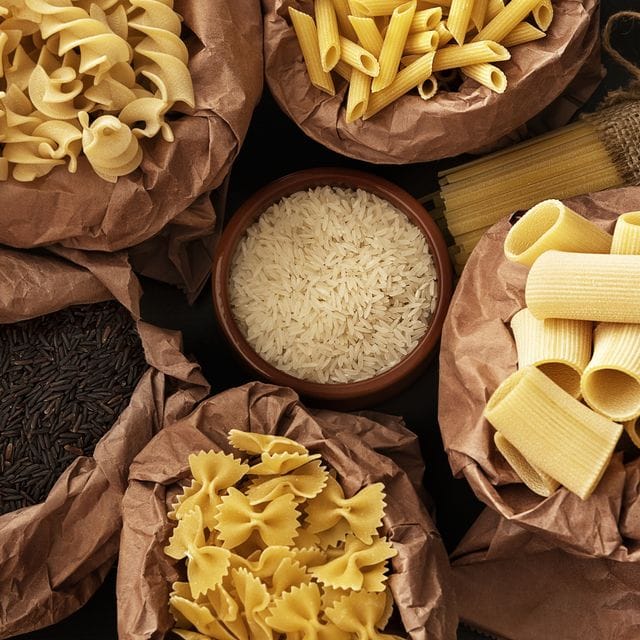
Bulk starches such as rice, flour, potatoes, and pasta round out affordable meal planning. These staples create filling dishes that stretch sauces, vegetables, and proteins further.
Smarter Grocery Shopping Across Gauteng
Cooking cheaply starts long before the stove is switched on. Gauteng shoppers who shop strategically consistently spend less.
Comparing prices across major chains like Shoprite, Pick n Pay, Checkers, Spar, and Boxer pays off. Weekly specials change, and no single store is the cheapest for everything. Checking flyers, apps, or online listings before shopping saves both money and time.
Fresh produce markets also offer strong value. Markets such as Joburg Market and Tshwane Fresh Produce Market supply fruits and vegetables at wholesale prices. While quantities may be larger, families can split bulk buys with neighbours or relatives to reduce costs further. Informal traders and roadside vendors often sell equally fresh produce at competitive prices.
Timing matters. Many supermarkets reduce prices on fresh items later in the day. Meat, dairy, bread, and produce nearing sell-by dates often appear at deep discounts and can be frozen or used immediately. These markdowns provide opportunities to buy items that would otherwise sit outside the budget.
Loyalty programmes also add up. Regular use of store cards and digital coupons can result in noticeable savings over time. Gauteng shoppers who track rewards often receive discounts on essential items they already purchase.
Cooking Techniques That Stretch Every Rand
Budget cooking rewards efficiency. One-pot meals such as stews, soups, curries, and bredies maximise flavour while minimising costs and waste. These meals allow households to use smaller amounts of meat alongside vegetables and legumes to create filling, balanced dishes.
Bulk preparation remains one of the most effective strategies. Cooking larger quantities reduces electricity usage and ensures affordable meals remain available during busy weeks. Frozen homemade meals often replace expensive convenience foods.
Energy-saving methods matter more than ever. Pressure cookers shorten cooking times, while insulated cooking solutions reduce power usage. Cooking with lids on pots and combining oven use for multiple dishes also cuts costs.
Leftovers should never be an afterthought. Yesterday’s pap can become fried pap cakes, leftover vegetables can become soup, and stale bread can turn into breadcrumbs or croutons. Households that creatively reuse food throw away less and spend less.
Healthy Eating Does Not Require a Big Budget
Affordable food does not mean unhealthy food. Seasonal vegetables, legumes, whole grains, and home-cooked meals often outperform expensive processed options nutritionally. Stretching meat with vegetables improves both health and affordability.
Traditional South African dishes offer valuable lessons in resourcefulness. Meals like umngqusho, morogo, and simple stews were designed to nourish families using minimal ingredients. Returning to these foundations allows households to eat well without financial strain.
Portion awareness also matters. Serving sensible portions reduces waste and ensures leftovers become future meals rather than discarded food.
Cooking Smarter in 2026 Starts at Home
Gauteng households face real financial pressure, but food remains an area where informed choices make a tangible difference. Saving on groceries frees up money for transport, education, healthcare, and emergencies.
Start small. Plan one week of meals. Try one bulk-cooked dish. Shop at one market instead of one supermarket. Each step builds momentum.
Most importantly, share what works. Neighbours, family members, and community groups benefit when tips, specials, and recipes circulate. Food knowledge spreads resilience.
Every rand saved in the kitchen strengthens household stability. With thoughtful planning, local awareness, and practical cooking habits, Gauteng families can continue to eat well throughout the year. Affordable home cooking is not about sacrifice; it is about control, confidence, and care.
The kitchen remains one of the most powerful places to fight rising costs. And it starts with the next meal you cook.