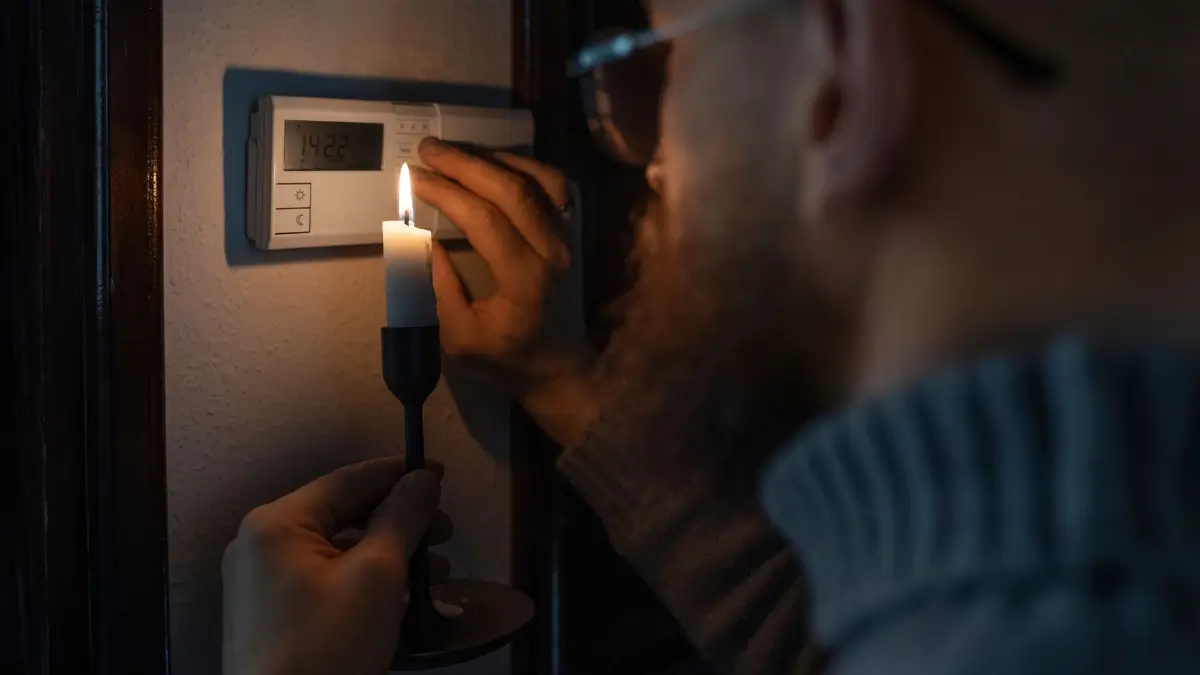
When the lights go out in Gauteng, life doesn’t just pause quietly. Traffic lights fail, phones die, businesses stall, food spoils, and anxiety creeps in. Whether it’s an unplanned outage, infrastructure failure, cable theft or extended maintenance, electricity interruptions have become a lived reality for many households across the province.
For residents in Johannesburg, Tshwane, Ekurhuleni, and surrounding areas, the question is no longer if power will go out, but what to do when it does. Knowing how to respond quickly, safely, and smartly can make the difference between disruption and resilience.
This guide breaks down exactly what to do when your area has no electricity in Gauteng, who to contact, how to protect your home and family, and how to stay productive until power is restored.
ALSO READ: How to Protect Your Appliances From Power Surges During Load Shedding
First Things First: Confirm the Outage
Before assuming the worst, confirm whether the outage affects only your property or the wider area.
Start by checking your circuit breakers or prepaid meter. If everything appears normal, look outside. If neighbours are also without power, you’re likely dealing with a broader outage.
Residents supplied by City Power should check official outage updates via City Power’s communication channels. Those supplied directly by Eskom can consult Eskom’s outage notices and fault reporting platforms.
Municipal residents in the City of Johannesburg, City of Tshwane, and City of Ekurhuleni should also check municipal social media pages for real-time updates.
Confirming the scope of the outage helps you understand whether restoration may take minutes, hours or days.
Report the Outage Immediately
Reporting an outage is not pointless. Utilities rely on fault reports to prioritise repairs and identify affected infrastructure.
If you are a City Power customer, log a fault through their official platforms. Eskom customers should report via Eskom’s channels or the Eskom WhatsApp line, where available.
When reporting, include:
- Your suburb and street name
- Meter number if available
- Whether the outage was sudden or gradual
- Any visible hazards, such as sparks or fallen cables
The more accurate the report, the faster technicians can respond.
Make Your Home Safe While the Power Is Out
Safety must come before convenience.
Unplug sensitive electronics such as televisions, computers, and routers to protect them from power surges when electricity returns. Leave one light switched on so you know when power is restored.
Avoid using candles where possible. If you must use them, keep them away from curtains, furniture, and children. Battery-powered lights and torches are safer alternatives.
Gas appliances should only be used in well-ventilated areas. Never bring braais or open flames indoors.
If traffic lights are out in your area, treat intersections as four-way stops and drive cautiously.
Preserve Food and Water Supplies
Extended outages can quickly turn into food wastage if you’re unprepared.
Keep fridge and freezer doors closed as much as possible. A closed fridge can keep food cold for about four hours, while a full freezer can last up to 48 hours.
If outages are frequent in your area, consider freezing water bottles. They help maintain cold temperatures and provide drinking water once melted.
Residents relying on electric pumps for water should store clean water in advance. Even a few containers can help with drinking, cooking, and hygiene during longer outages.
Stay Connected Without Power
Communication becomes critical during blackouts.
Charge phones, power banks, and laptops whenever electricity is available. If outages are common, keeping a charged power bank should be standard practice.
Public spaces such as libraries, mall,s and cafés often have backup power and Wi-Fi. These can serve as temporary work or charging hubs, especially for students and remote workers.
Mobile data usage tends to spike during outages, so managing data carefully becomes important.
Adjust Your Daily Routine, Not Your Sanity
One of the biggest challenges during outages is mental fatigue.
Shift high-energy tasks to daylight hours. Use natural light where possible. Prepare meals that don’t require electricity, and involve children in calm, offline activities.
For families, outages can become teaching moments about adaptability, responsibility, and community awareness.
Businesses should communicate early with customers and staff about delays, revised hour,s or alternative arrangements.
Know When to Escalate
If an outage lasts unusually long or poses a safety risk, escalate through official channels.
Downed power lines, exposed cables, and electrical fires should be reported immediately to emergency services and the relevant utility. Never attempt to fix electrical infrastructure yourself.
If your area experiences repeated outages due to infrastructure failure or vandalism, community reporting and ward councillor engagement can help push for long-term solutions.
Prepare for the Next Outage Before It Happens
The most resilient households in Gauteng are not lucky; they are prepared.
Consider building a basic outage kit that includes:
- Torches and spare batteries
- Power banks
- Non-perishable food
- Bottled water
- Matches or lighters stored safely
- A list of emergency numbers
Some households invest in inverters or small backup systems, especially where work or medical needs depend on electricity.
Preparation turns power cuts from crises into inconveniences.
Why This Matters for Gauteng
Electricity reliability affects everything from economic activity and education to healthcare and safety. In a province that drives South Africa’s economy, outages ripple far beyond individual homes.
Each time residents respond calmly, safely, and informed, the collective impact is reduced. Awareness and preparedness ease pressure on emergency services and utilities while protecting lives and livelihoods.
As Gauteng continues to grow, resilience at the household and community level becomes just as important as infrastructure investment.
How Gauteng Residents Can Prepare Before the Next Outage
If you live in Gauteng, don’t wait for the next blackout to plan. Take 30 minutes this week to review your household’s outage readiness. Save emergency numbers, charge backup devices, and speak to your family about what to do when the lights go out.
Share this guide with neighbours, community groups, and family WhatsApp chats. The more informed people are, the safer and more resilient Gauteng becomes when electricity is unavailable.
Power may be unpredictable, but how we respond doesn’t have to be.